Port operative

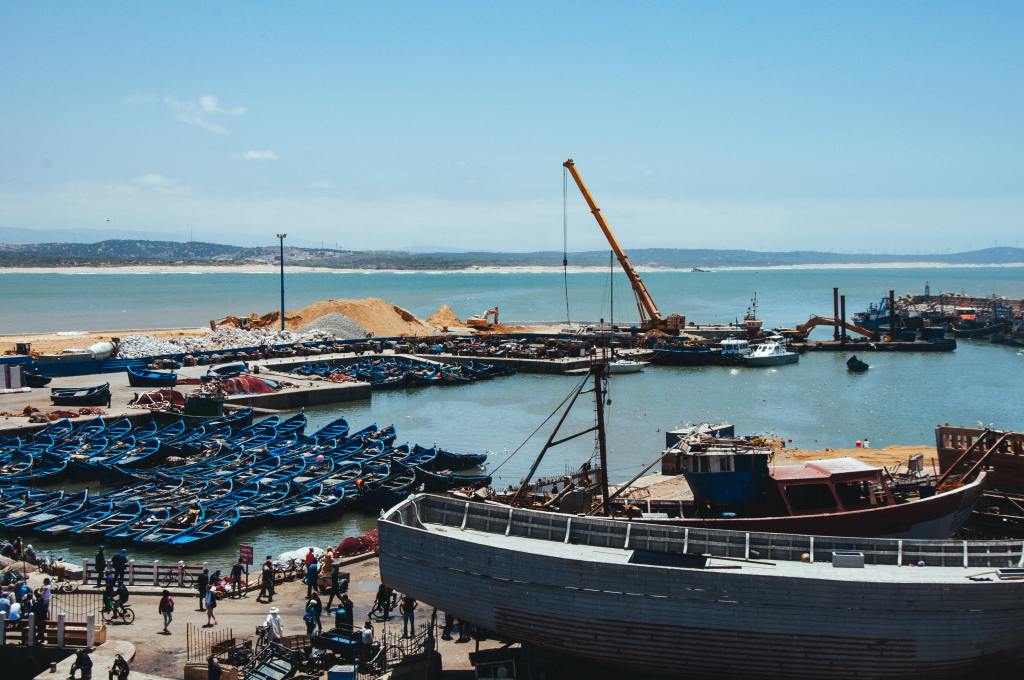
Port operatives work in small and big ports and harbours, managing freight, people, and maritime vessels. This may include operating machinery and driving automobiles.

Port operatives are classified into three types:

  • Stevedores are those that load and unload goods from ships and boats.
  • Marine operators operate on harbour vessels, such as safety boats or small motorised work boats, that are utilised in the port itself.
  • Passenger operatives assist customers in getting to and from the boats in the safest and most convenient manner possible, ensuring the greatest possible customer experience. This is known as logistics.

Port operative or stevedore responsibilities:

  • Stevedores transport cargo such as food, hardware goods, and raw materials. The primary activities might include controlling cranes, forklift trucks, and driving vehicles on and off ships.

Marine operators:

  • Marine port workers prepare and place the transfer watercraft from the shore to the ship, as well as fuel the ship. When vessels arrive or depart, marine operators also knot and untie them.

Passenger operative responsibilities:

  • Passenger port operators assist passengers in navigating the ship and dock. These passengers may be aboard a ship, a seagoing passenger boat, or a cruise ship. Their primary responsibilities include moving guests’ bags, assisting individuals with impairments, ensuring that obstacles are secure, and guiding vehicles.

A port worker should be fit and healthy to do heavy lifting and hauling, as well as be cautious while handling potentially damaged products. Have an understanding of dangers and health and safety laws, as well as the ability to perform under pressure and as a team.
Tour guide

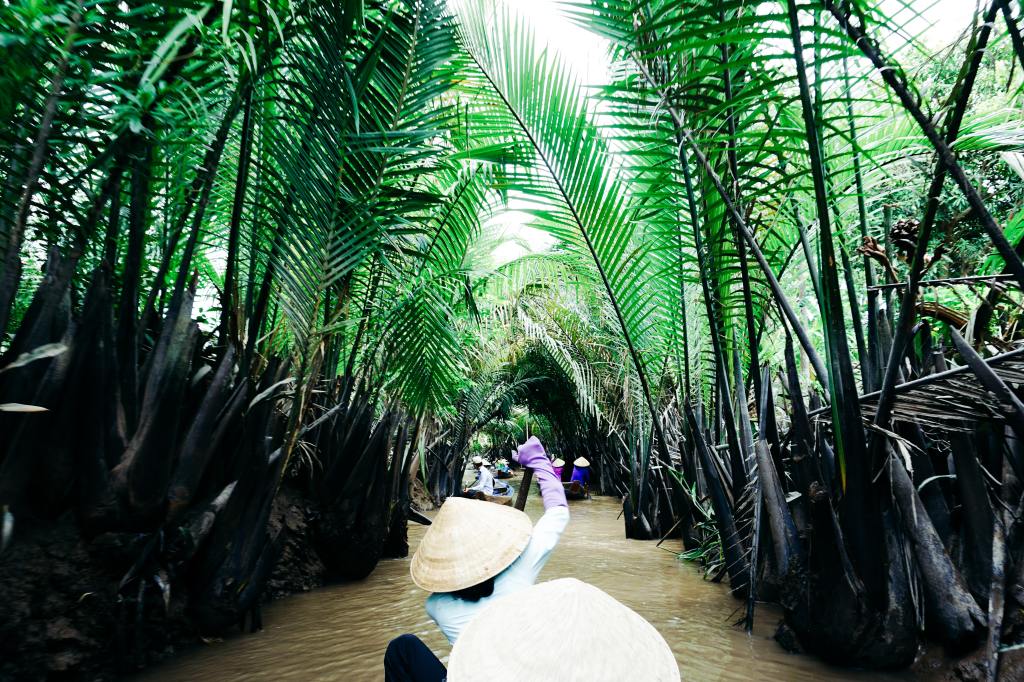
Tour guides lead groups around sights such as historic monuments, cultural centres, and natural beauty places, providing background knowledge to assist them make the most of their time there. They may work with day visitors or on walking tours, or they may assist tourists on longer excursions that include overnight stays. 

This career does not need a degree. Working with the wider public or obtaining experience in the hotel, tourism and travel industry is usually beneficial. With knowledge, you may work as a regional tour supervisor or manager for a travel operator. 

You could do the following in this role: 

  • Guide groups of tourists around a place and provide information about the site’s history, purpose, and architecture 
  • Accompany groups on day trips to various points of interest 
  • Answer queries and recommend further locations to visit 

Potential tour guides should be physically strong and healthy, with lots of enthusiasm and confidence, and have excellent communication skills.

They are also in charge of guaranteeing the group’s safety and keeping tour groups together. Tour firms, resorts, and attractions all hire tour guides. 

Resort representative

The majority of resort representatives work overseas. Their major job is to ensure that clients enjoy their vacation and that everything works as efficiently as possible for them. As the tour operator’s public face, you must make an exceptional first impression and continue to deliver excellent service to vacationers during their stay. Holding welcome meetings, dealing with complaints, and addressing problems as they emerge are all part of the job. Holiday representatives are frequently in charge of marketing resort excursions and supplementary services, such as vehicle rental.

Responsibilities:

  • Meet groups of vacationers at the airport.
  • Coach vacationers to their accommodations.
  • Organise welcoming gatherings.
  • Handle inquiries.
  • Arrange for car or equipment rental.
  • Make plans for daytime and night-time entertainment for guests.
  • Serve as a tour guide on excursions and evenings out.
  • Work as a liaison between tourists, hotel personnel, and other locals.
  • Organise tours and sightseeing excursions.

Customer service skills, thoroughness and care for detail, the ability to tolerate feedback and perform effectively under pressure, tenacity and determination, and the ability to enjoy working with others are all required skills.

The job is pretty tough. Clients may have very high standards, and holiday representatives must deal with concerns and complaints. Representatives must adjust to working in a new nation with a foreign culture but doing so might give the chance to learn a new language. The work may be extremely fulfilling, confidence-building, and deliver a high level of job satisfaction. Experience with customer service, selling, dealing with large groups, and working and travelling abroad is preferred.

Travel agency manager

A travel agency manager is in charge of the seamless operation of a travel firm, which may be located in a public store or in a contact centre. You might specialise in either pleasure or business travel. Travel agency managers are in charge of the day-to-day operations of travel agencies, as well as fulfilling sales objectives and promoting travel products.

Responsibilities:

  • Hire and train new employees.
  • Develop sales goals and evaluate employee performance.
  • Purchase travel packages from tour companies.
  • Control expenditure.
  • Answer email, and phone inquiries, as well as any consumer complaints.
  • Provide advice on travel items and places.

This profession requires a genuine love of travel, strong business and financial acumen, and the ability to inspire, motivate, educate, and develop others. To be a great travel manager, you must have a solid understanding of travel management systems as well as exceptional attention to detail.

With time and expertise, you might advance to the position of regional manager, in charge of many travel agency offices. You might potentially work for a large corporation as a corporate travel manager. You may start your own travel company as well.

Heritage officer

Heritage officers work with teams to care after structures, sculptures, and sites of cultural and historical significance. A heritage officer educates the public about the significance of historic location or surroundings in order for it to be understood, respected, and maintained as an important element of a country’s or region’s history and identity.

Responsibilities:

  • Survey historic structures and monuments to determine repairs that needs to be done.
  • Answer questions and provide guidance to members of the public and organisations.
  • Use archives, historical legislation, and environmental standards to gather information.
  • Examine construction plans and engineering drawings.
  • Participate in public events and make project suggestions.
  • Create project planning and reports.

To be a heritage officer, you must have good manners, comprehensiveness and focus on detail, a thorough knowledge of the historic sector, as well as knowledge of the protection and care of listed structures, the ability to collaborate effectively with others.

The industry offers a wide range of career opportunities. You may start at a lower level, but after a few years of experience, you can advance to positions with more responsibilities. If you work at a heritage site for a few years, you may be offered the option to shape your job specification by establishing areas of personal strength or professional interest.

Diver

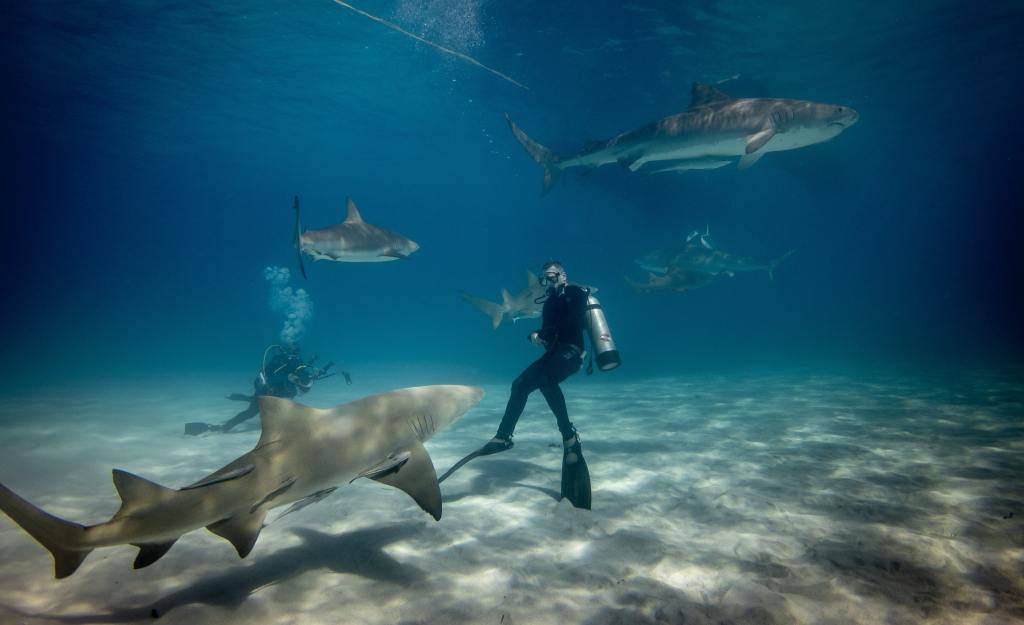
Diving is a thrilling sport, seeing microscopic creatures, fishes, and corals blend in a swirl of colours is always a wonderful experience.

Divers work in the sea, as well as in rivers, lakes, canals, and reservoirs. They work beneath the water’s surface, utilising diving equipment to examine, repair, remove, or build equipment and structures. Tests or experiments, rigging explosives, or photographing buildings or aquatic life are all possible scenarios.

Job tasks:

  • Use signal wires or telephones to communicate with personnel on the surface while underwater.
  • Learn about diving duties and weather factors.
  • Conduct scientific investigations or underwater archaeology.
  • Must be willing and able to keep all equipment in functional condition, perform any necessary repairs, and examine all things prior to diving.

Divers working at shipyards may repair or check portions of the vessel below the waterline. Divers are used by underwater salvage businesses to assist find and retrieve objects from sea or lake bottoms. Some commercial divers specialise in training other divers, including those who want to learn as a sport or as a pastime. Diving is a thrilling sport, seeing microscopic creatures, fishes, and corals blend in a swirl of colours is always a wonderful experience.

What do you need to be diver:

  • To operate successfully in a team.
  • A positive attitude – to be a successful working diver, you must be eager and passionate, optimistic and energetic, with a ‘can do’ attitude and a desire to do whatever it takes to complete the task.
  • It is necessary to have certain scientific and mechanical aptitude, as well as the capacity to use a variety of tools.
  • The ability to adhere to tight safety precautions – diving is a high-risk sector where risk is kept to extremely low levels by adhering to tight safety standards in all areas of diving, including equipment selection, training, performing the task itself.
  • Must be a good swimmer with a significant level of fitness.
  • To be able to remain cool under pressure and to deal with upsetting or risky tasks.

Exploring the ocean’s depths may be both educational and enjoyable. Risks can be reduced by acquiring the fundamental diving techniques. With enough practise, you, can become a diver who is prepared for and capable of managing all types of diving scenarios.

Aviation meteorologist

Aviation meteorologists forecast meteorological conditions in airports. They give day-to-day, hour-to-hour measurements, assessment, forecasts, alerts, and meteorological advice to pilots, airport operators, and airlines. 

They must ascertain present and predicted meteorological conditions at all altitudes, including wind direction and speed, cloud cover, and precipitation. Aviation weather reports differ from other types of weather reports in that they include how conditions may affect a flight. If strong turbulence is expected at one level, the pilot must know what altitude he may fly to escape the turbulence ahead of time. Aviation meteorologists generate their reports using weather radar, computers, weather station data, and other instruments.

An analytical mind and the capacity to operate under pressure are required for an aviation meteorologist. They should be conversant with aircraft and have past meteorological experience.

Aviation meteorologist tasks:

  • Collect weather data through surface, upper level, and other measures.
  • Investigate and understand pertinent facts.
  • Measure factors such as air pressure, temperature, and humidity at various atmospheric levels.
  • Make weather forecasts and maps.

Bus driver

Bus and coach drivers take passengers on local, national, and international trips.

The bus driver is also in charge of vehicle maintenance. Routine vehicle check-ups and easy maintenance activities such as changing the oil, refilling the bus, changing the batteries, and checking and rectifying minor issues are all part of the job. It is also part of the bus driver’s job to do routine vehicle checks and detect any electrical or mechanical problems.

Responsibilities for Bus Driver:

  • Open the car door to allow passengers to enter and exit.
  • Obtain transportation fares from passengers.
  • Determine the fee for each passenger based on distance, regulations, and other variables.
  • Assure passengers that they are safe and secure.
  • Ensure that passengers’ luggage is loaded and unloaded safely.
  • Respond to passengers’ questions as intelligently as possible.
  • Ensure that travellers get at their destination on time.
  • Perform routine vehicle inspections.

The capacity to drive safely over defined routes, respect traffic rules, safety measures, and transit restrictions is generally required.

Travel industry attorney

Everyone enjoys travelling overseas, but things may go wrong at times. Travel attorneys, among other things, deal with overseas authorities to resolve concerns that arise when travelling.

Travel law is a specialised topic of law that can be particularly intriguing since it may require pursuing a claim in a foreign jurisdiction. It is a fairly broad subject that includes foreign incident litigation, legal recovery proceedings against foreign suppliers, package travel legislation, and international and national legal requirements.

A travelling attorney’s job is to travel across the country or around the world to represent a client in a court of law. In this job, you will prepare for each case, interview witnesses, and present material during a trial.

Immigration consultant

Immigration consultants assist customers in completing papers and obtaining the necessary permissions to ease their relocation to another nation. Immigration consultants may specialise in transferring clients to a particular location.

The function of the consultant is to advise customers through all procedures necessary to guarantee their successful immigration. The immigration consultant is responsible for providing customers with necessary information and resources, monitoring documentation completion, and submitting data on people’ behalf as needed.

Job duties:

  • Staying up with changes in immigration legislation.
  • Meeting with current and prospective clients to determine the services they require.
  • Providing all necessary paperwork to clients.
  • Assisting customers with documentation completion and ensuring that it is filed on schedule.
  • Authenticating papers and accompanying documentation.
  • Assisting clients in locating acceptable shipping options.