Captain

Captains are in charge of the overall functioning of a marine vessel, generally a ship. Their primary task is to guarantee that the vessel gets from point A to point B safely. They are professional navigators who direct the ship’s course. Captains need also be conversant with the ship’s various equipment and be able to operate it successfully.

They should be able to properly maintain the equipment on board as well as perform repairs. Captains are also in charge of their ship and crew and their overall quality. During their journey, they also oversee the funds and other operations-related responsibilities.

The tasks of a ship captain differ slightly depending on the sort of vessel he or she leads. There are ship captains, ferry boat captains, tugboat captains, and charter boat captains, among others.

Captain’s responsibilities:

  • Maintain records of inspections, equipment checks, and maintenance schedules to ensure that all safety measures are followed.
  • Use radar, depth finders, radios, buoys, lights, and lighthouses to steer and operate vessels.
  • Signal crew members to conduct critical activities such as rigging tow lines, opening and closing ramps and gates, and pulling guard chains across entrances.
  • Maintain radio communication with other ships in the region to communicate information regarding position, speed, and other operational facts.
  • Monitor weather conditions to guarantee the vessel’s safe operation under adverse circumstances.

Leadership is a vital quality for captains to have since it helps them to successfully direct their crew members. Captains must be able to communicate clearly and encourage their teams to achieve effectively.  As well captains with strong communication skills can assist their team members understand and implement their ideas and plans. Problem-solving abilities are required for captains since they frequently need to find answers to difficulties that develop during missions.


Bartender

Bartenders interact with clients directly by mixing and serving drink orders. Their duties include confirming age requirements, understanding alcohol mixing and preferences, making traditional and sophisticated cocktails, collecting payments, maintaining inventory, and cleaning bar supplies.

Bartenders are polite, well-organized, and proactive individuals. They are efficient and provide excellent customer service. Bartenders are also quite inventive. They are beverage pioneers. They can take client comments and change ingredients to meet taste preferences.

Bartender responsibilities:

  • Take orders and make customers feel at ease while they are at the restaurant or event.
  • Mix, garnish, and serve alcoholic and non-alcoholic beverages in accordance with client guidelines.
  • Plan drink menus and keep consumers informed about new beverages and offers.
  • Assist customers in selecting menu items or navigating drink selections.
  • Check identity to ensure clients are of legal drinking age.
  • Follow all food safety and quality laws.

Some of the bartender’s requirements include a positive, engaging attitude and professional appearance, good task and time management ability, an eye for detail, and a grasp of drink making tools and technique.

One of the benefits of working as a bartender is that you are not restricted to a single place. Bartending allows you to explore the world and experience new things. Bartenders are constantly in demand, particularly in popular tourist destinations. If you’re a creative person, you’ll realise how amazing it feels to produce something wonderful. Making cocktails is an art form in and of itself. As a bartender, you will also be able to make a lot of new friends in a short amount of time. Because you will be talking to many individuals during your shifts, you will naturally create a customer base, and many people will return to speak with you.

Restaurant server

Servers are restaurant workers that respond to the requirements of customers in a polite, inviting manner while receiving and delivering orders swiftly and correctly while providing exceptional customer service.

Restaurant servers are in charge of collecting orders and serving food and beverages to customers. They play a vital part in client satisfaction since they are also responsible for checking on customers to verify that they are enjoying their meals and taking action to remedy any concerns.

Server responsibilities:

  • When guests arrive at a restaurant, greets them, introduces them to the menu, and answers inquiries regarding menu items, ingredients, and price.
  • Take food and beverage orders from guests properly and cheerfully.
  • Passes customer orders to kitchen personnel for preparation, prepares drinks and delivers them to customers, ensures tables are enjoying their meals.
  • Collects food orders from the kitchen, checks their accuracy, and serves them to clients. Ensures that customers are pleased with their meals and processes orders for extra courses as needed.
  • Prepares and distributes checks to clients.
  • Sets tables with plates, glasses, and flatware and replenishes condiments, maintains knowledge with menu items, specials, and restaurant information.

Restaurant servers are responsible for great guest interactions while serving clients in a polite and efficient way, and they play an important part in ensuring our customers enjoy exceptional dining experiences. Servers must always be sensitive to their guests’ requirements, making them feel welcome, comfy, important, and relaxed.

Being a great waiter entails being sensitive to the demands of their clients. They must have strong listening skills and be detail-oriented since they must comprehend exactly what consumers want. They must also ask the proper questions in order to provide the finest service possible.

Restaurant servers have to be enthusiastic about food and service and appreciate providing exceptional experiences for our guests. Have a warm, outgoing personality, give exceptional customer service, be good at teamwork, be able to multitask, and have a customer-oriented approach.

Room attendant

There are numerous work opportunities in the hospitality business for those with a wide range of talents and interests. In hotels and motels, room attendants are in charge of housekeeping. If you’re interested in pursuing this profession, it’s a good idea to learn about the job’s specifics so you can determine whether it’s the correct route for you.

Room attendants are in charge of cleaning and maintaining guest rooms so that guests have a pleasant and comfortable stay. They make certain that all rooms are welcoming and clean, and they respond to any visitor inquiries graciously and competently.

Responsibilities:

  • Greet guests and respond to inquiries.
  • Clean, organize, and arrange hotel rooms while respecting guests’ privacy and possessions.
  • Replace towels, change bed linen, and make beds, sweep, and clean floors.
  • Restock hotel food and beverages, clean and polish furniture.
  • Report the status of room vacancy.
  • Guarantee that not just the rooms and bathrooms, but also the hotel’s common areas, such as the stairs, corridors, and elevators, are kept clean.
  • Ensure the safety of guest rooms and the privacy of guests.
  • A6ppropriately reply to guest enquiries, be conversant with all hotel services/features and area attractions/activities.

Cleaning experience in hotels or similar places is frequently needed of room attendants. There are no formal educational requirements, however professional cleaning qualifications and knowledge of other languages are advantageous.

To be a good room attendant, you must be truthful, polite, and have a thorough understanding of, and adherence to, all housekeeping policies, procedures, and standards. Cleaning is a fundamental part of the work, thus these specialists should be familiar with cleaning equipment and processes.

These workers may be required to work in many rooms in a single day and must employ time management skills to finish all jobs and room cleanings throughout their shifts. Professionalism may help room attendants engage effectively with their colleagues and visitors. This ability can help them communicate effectively with guests and finish high-quality work.

A hotel room attendant’s career path, particularly within a big hotel or national or worldwide hotel chain, allows for advancement to a managerial position as a head room attendant, housekeeping supervisor, or assistant executive housekeeper – and then to the job of executive housekeeper.

Spa manager

A spa manager is in charge of running a beauty spa on a daily basis. They are in charge of the bookkeeping, workers, and the spa’s operations. Depending on the scale of the facility, they may be more involved in the business side of things or more involved in customer service.

Spa managers produce the tranquil, soothing, and pleasant environment that spa consumer wants by ensuring that the business works properly.

Duties and responsibilities of a Spa Manager:

  • Make a weekly agenda for your workers.
  • Employ and train people.
  • Manage marketing and customer relationship strategies.
  • Plan or direct spa services and programmes.
  • Check operations for adherence to appropriate health, safety, and hygiene requirements.
  • Examine spa equipment to verify it is in good working order.
  • Keep track of client databases.
  • Respond to queries or concerns from customers.
  • Make arrangements for guests.

A spa manager is in charge of the company’s bookkeeping, as well as payroll. They also collaborate with vendors to order spa supplies and keep track of all incoming and exiting inventories to keep things operating smoothly.

Another commercial role for the spa manager is to execute advertising campaigns. They are in charge of advertising tactics and the creation of flyers and other promotional materials. Managers are also responsible for providing staff training courses in order to keep their personnel up to speed on new skills in the spa business.

Spa managers must be strong leaders with a keen eye for detail. Personal qualities include being accessible, confident, and competent, as well as having an outstanding look and personal maintenance. Organized, industrious, honest, adaptable, self-motivated, goal-oriented, and eager to provide a consistently high level of service. As a spa manager, you may be in charge of many responsibilities at the same time. Strong organising skills can assist you in prioritising your obligations and completing them on time. As a spa manager, you may be in charge of ensuring that guests are happy with their visit. This might involve welcoming clients, addressing their queries, and resolving any problems they may be experiencing.

There are several methods to enhance your career as a spa manager. Continuing your education in business or management is one of the greatest options. This will provide you with the abilities necessary to advance to higher-level management roles. You may also grow in your career by obtaining certified in your industry.

Translator

Travelling and learning about cultures different than our own is one of the most enjoyable and enlightening hobbies that we all enjoy. Tourism translation is one method for hotels, restaurants, and tourism websites to reach out to foreign travellers. This sector includes a wide range of businesses, including restaurants, hotels, tour operators, travel agencies, tour guides, vehicle rental firms, and so on.

By translating essential data or material into as many languages as possible, the tourist sector may reach a larger number of prospective clients and broaden the potential audience of hotels, restaurants, and tourism websites. This effort broadens the target audience and improves communication efficiency. Tourism translation encourages the growth of other sorts of tourism, such as hiking, wine tourism, gastronomic tourism, and gourmet tourism, among others.

Translators mostly work with textual documents in the fields of commerce, technology, law, and tourism. Letters, reports, essays, and novels are examples. Reading documents, producing and editing information, subtitling videos and giving online presentation, preparing summaries are all part of the work.

Translation necessitates the ability to correctly transfer the meaning of written words from one language to another. Reading and properly comprehending the context of supplied information, utilising specialist dictionaries and translation tools, and reviewing completed pieces of work are all obligations of translators. You should have a great eye for detail and be proficient in at least two languages in addition to your home language to be successful in this profession.

As a translator, you provide an extraordinary service by serving as a liaison between two languages. They serve to link two cultures, two languages, and two individuals. As a result, a person attempting to follow this vocation must have a thorough understanding of many languages, culture, as well as good interpretation and interpersonal skills to complement others’ talents. One of the benefits is that you learn about various people, their languages, cultures, and local terminology, as well as their idioms and frequent phrases, which is not only beneficial but also intriguing. You can study and progress at your own pace, learn topics that only a few people know, and go one step ahead of others in language understanding. By being a translator, you will always be one step ahead of everyone else in learning something new and unusual!

Hotel receptionist

The hotel receptionist is the initial point of contact for all hotel guests. They are in charge of ensuring a smooth check-in process for visitors as well as delivering an overview of the hotel’s primary features and services.

Furthermore, hotel receptionists collect reservations and manage guestroom allocation over the phone and by email.

Main responsibilities:

  • Checking in visitors, assigning rooms, and handing out keys.
  • Accepting reservations and cancellations via the phone, email, or in person, and recording the information on a computer.
  • Addressing inquiries regarding hotel amenities, nearby transportation, points of interest, and entertainment.
  • Handling specific requests like room service, cab bookings, and wake-up calls.
  • Managing visitor complaints and difficulties in a timely and professional manner.
  • Working with housekeeping to ensure that rooms are ready for check-in.

Although formal qualifications are not required, a solid general education is advantageous. It is advantageous to have strong IT abilities, as well as knowledge of other languages. Applicants for the post of Hotel Receptionist, on the other hand, must be enthusiastic. Also social, with a natural desire to serve others, and with pleasant, helpful demeanours.

It is necessary to have outstanding communication skills and a decent phone manner, as well as the ability to remain calm under pressure and multitask.

The number of hotels is rapidly increasing, creating several career opportunities. After a year as a Hotel Receptionist, you may be promoted to Supervisor.

The workplace is clean, and the job is not physically demanding. Your daily responsibilities will vary, and you will undoubtedly encounter a variety of intriguing people.

You will collaborate closely with other departments to ensure that all visitor demands are fulfilled, if not surpassed. So, if you love connecting with a wide range of individuals, you may put your creative abilities to use and have a significant influence on the overall operation of your hotel. Then being a Hotel Receptionist appears to be an excellent choice for you!

Airport baggage handler

An airport baggage handler is in charge of loading, unloading, and carrying airline passengers’ bags at an airport in a safe and timely manner.

A handler may operate lifting equipment and a baggage truck, as well as run a conveyor belt, when loading, unloading, or conveying cargo. They must be able to operate these equipment and equipment in a safe and efficient manner. Heavy objects may be required to be lifted by baggage handlers. To work as an airport baggage handler, you must be a competent team player who can work efficiently.

The following are the primary responsibilities:

  • Move bags from check-in to departure locations.
  • Ensure that luggage is loaded onto the correct plane.
  • Using trucks, cargo loaders, and conveyor systems, transport luggage to and from aeroplane holds.
  • Always keeping an eye out for suspicious-looking bags and quickly reporting anything unexpected to security or the authorities.
  • Report any damaged or suspicious luggage.

Customer service skills, physical abilities such as mobility, coordination, dexterity, patience, and the capacity to remain cool in difficult situations are required for this role.

You may work as a ‘lead ramp hand’ with experience, lining up planes for the following flight. Staff might also be trained on equipment and processes.

You might advance your career by working in supervisory management or passenger handling operations. It may be feasible to advance into transportation management or operations with additional certifications.

Restaurant manager

Restaurants and events may be found anywhere. You might potentially find employment in a half-dozen countries—and after you acquire the language, you’ll have an advantage in certain areas. If you’re searching for a profession that will provide you the freedom to travel and switch sectors, hospitality is a fantastic option. When you first start in the field, you’re bound to encounter a number of people who are seeking for someone exactly like you!

Restaurant managers are in charge of monitoring the effective operation and profitability of restaurants, as well as managing their personnel. Managers are responsible for several aspects of the company’s performance. Restaurant managers oversee the day-to-day operations of the restaurant. Their mission is to deliver a pleasant eating experience that meets brand standards while also maintaining profitability.

Typical job duties include the following:

  • Employee recruitment, training, and supervision.
  • Ensure that licencing, hygiene, and health and safety legislation/guidelines are followed.
  • Analyse and plan restaurant sales and profitability levels.
  • Respond to customers inquiries and concerns.
  • Examine stock levels, place orders for supplies, and arrange cash drawers.
  • Create and organise menus in collaboration with the head chef.
  • Construct and carry out departmental sales, profit, and employee development strategies.

Restaurant managers are also in charge of resolving problems among team members. They must arbitrate conflicts in order for personnel to cooperate and provide the greatest possible experience for customers.

In addition, restaurant management must pay attention to guest input from review sites as well as reporting tools such as guest satisfaction surveys generated by the restaurant’s reservation platforms and online orders. Customers must be listened to, and their opinions used to improve the eating experience.

While certain roles may become obsolete, there is always somewhere to go in the hospitality industry. Within each organisation, most companies have lower and top management. There are frequently district and regional managers, and so forth.

Aircraft mechanic

When you consider joining the aviation sector, you probably see yourself as a pilot. However, there are other more paths you might pursue to achieve success in the profession!

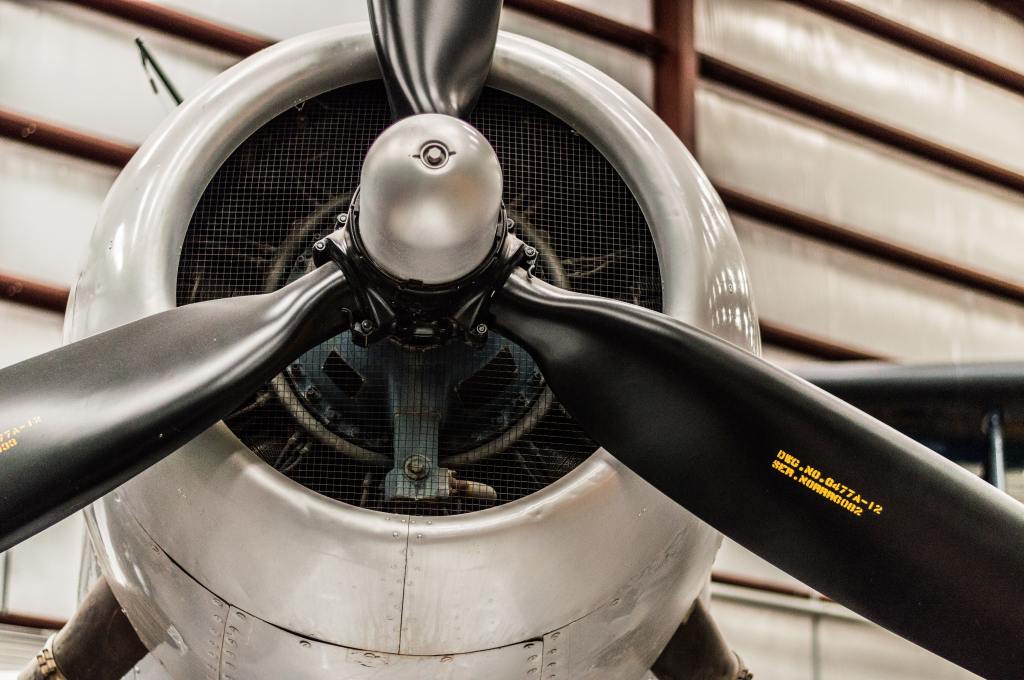
Aircraft mechanics are critical in the repair and maintenance of planes and their components. They are in charge of doing routine maintenance on aircraft systems such as the electrical, communication, and hydraulic systems. They are also available to assist in the repair of aircraft that have had issues or damage. Due of the wide variety of aircraft used in the aviation sector, many aircraft technicians specialise in certain areas. Aircraft mechanics are responsible for the upkeep and repair of aircraft systems and components.

An aeroplane mechanic’s tasks and responsibilities:

  • Make necessary repairs to damaged aircraft.
  • Regularly inspect electrical and structural parts of aircraft.
  • Understand and implement manual and blueprint guidelines.
  • Ensure that regional safety rules are followed.

With the aviation sector anticipated to develop more in the next years, the need for aeroplane mechanics will rise as well. As a result, employment prospects in the near future are promising.

Aircraft mechanics can advance in their careers to supervisory roles where they can supervise other mechanics and control hangar operations. Earnings at this stage in a mechanic’s career might be significant depending on the airline that employs them.

If you enjoy assisting others, being an aviation mechanic is a good career path. Aircraft mechanics guarantee that aircraft meet all standards and are safe and functional while in flight. This genuinely saves the lives of pilots and passengers in the air.